Pizzaro - Fast Food & Restaurant Woocommerce Theme Free Download UPDATED
Pizzaro - Fast Food & Restaurant Woocommerce Theme Free Download
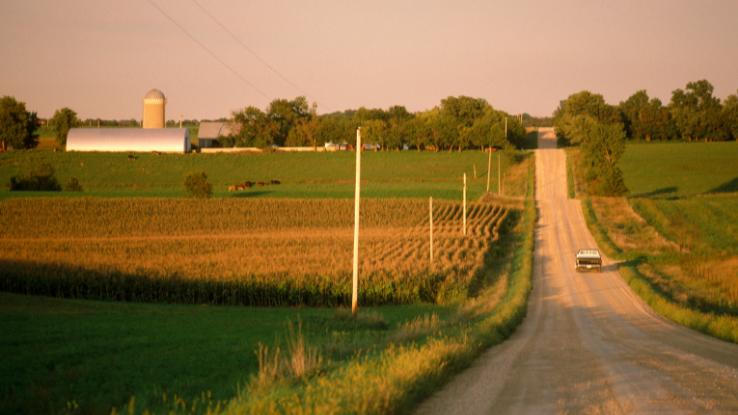
The term "nutrient desert" paints an authentic motion picture of a dire situation that many Americans confront daily. In short, a food desert is a geographic surface area where residents' access to affordable, nutritious nutrient is limited or nonexistent considering of a lack of convenient grocery stores.
The nonprofit Nutrient Empowerment Projection (FEP) rightly points out that the term "nutrient desert," as defined by the U.S. Department of Agriculture (USDA), is problematic because it centers on "proximity to food providers, rather than considering other factors such as racism, cost of living, people beingness time poor and cash poor, cultural appropriateness of available foods, [and] the ability of people to abound their own foods." The FEP also notes that "food apartheid" and "food oppression," although less common, are more accurate terms considering they signal to the systemic issues that force folks into nutrient deserts.
So, how widespread is food oppression? According to a 2017 study from the USDA, about 39.5 1000000 Americans live in depression-income and low-access areas (or what the USDA has termed "food deserts"). Of these most 40 million people, half have limited admission to full-fledged supermarkets or grocery stores. Without a dubiousness, food deserts — that is, food oppression — underscore(s) the various inequities that exist in the Us, and, in turn, create additional health-related challenges for folks living inside them. We aim to explore the pervasiveness of food deserts in honor of National Poverty Awareness.
If you aren't impacted by nutrient oppression, y'all might think of the backlog of nutrient found in supermarkets and big-box stores. Simply many Americans don't accept the privilege of and so many options — or any convenient, nutritious options at all. The Annie E. Casey Foundation has found that so-chosen "food deserts" often share some, if not all, of the following characteristics: they are located in areas with smaller populations; feature higher rates of abandoned and vacant homes; and are home to folks who have lower income and instruction levels. Additionally, unemployment rates are often higher in food deserts.
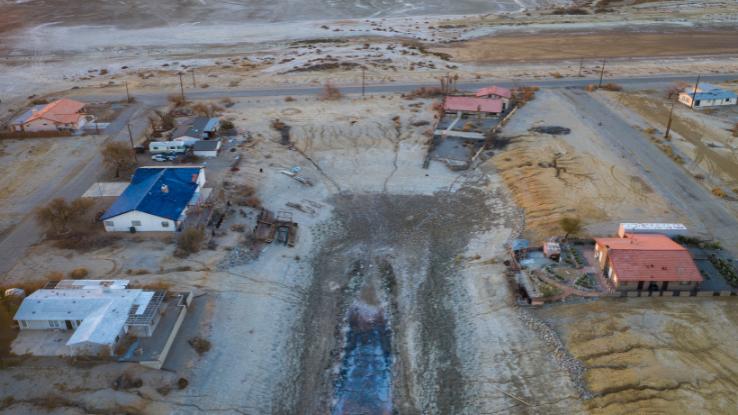
Researchers at Johns Hopkins University constitute that the availability of high-quality food and supermarkets is linked to "racial residential segregation, poverty, and urbanicity." Regardless of geographical expanse (rural vs. urban), Black Americans are unduly impacted, often living in areas deemed food deserts.
The same inequality and lack of access disproportionately affect Indigenous and Latinx people as well. That is, neighborhoods and communities with predominantly BIPOC residents characteristic fewer stores, greater distance betwixt homes and stores, and fewer community resources that could help folks access nutrient and supermarkets, such as a lack of feasible public transportation and infrastructure.
There isn't just ane factor that causes food deserts. Several contributing factors include transportation challenges, convenience food and income inequality. "When researchers from Brown Academy and Harvard University studied diet patterns and costs, they institute that the healthiest diets — meals rich in vegetables, fruits, fish and nuts — were, on boilerplate, $one.50 more expensive per day than diets rich in processed foods, meats and refined grains," the Foundation notes. "For families living paycheck to paycheck, the college cost of good for you food could get in inaccessible even when information technology's readily available." Moreover, folks who receive SNAP benefits don't ever have access to nutritious foods, based on the parameters of the plan.
How Does Food Oppression Chronicle to Healthcare?
So, how does food oppression relate to healthcare and your well-being? In many ways, it boils down to a person's ability to choose. In so-called food deserts, at that place's not only a lack of options, but cost can also figure into the decision. "Many nutrient deserts comprise an overabundance of fast food chains selling cheap 'meat' and dairy-based foods that are high in fat, sugar and salt," FEP notes. "Processed foods (such as snack cakes, fries and soda) typically sold by corner delis, convenience stores and liquor stores are usually merely as unhealthy."
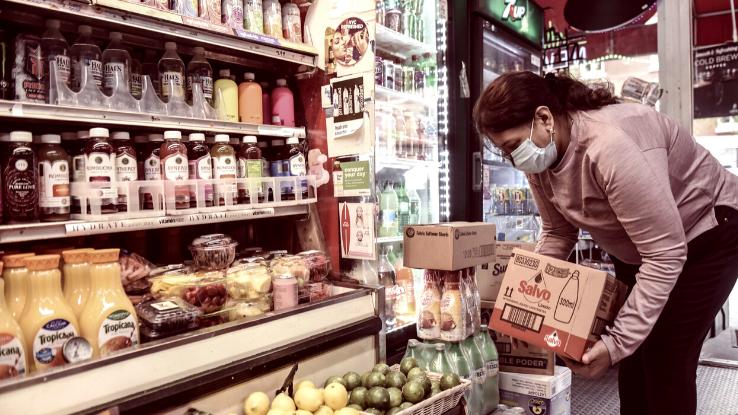
Moreover, folks navigating food oppression may too have difficulty accessing foods that align with their dietary needs or restrictions. For those with celiac disease, lactose intolerance or other food allergies, this can cause an abundance of problems. Without larger concatenation stores, alternatives — like nut-based milks, for example — but aren't available. But just because the options may exist in certain areas doesn't hateful folks tin can always admission them. FEP reports that "urban residents who buy groceries at small neighborhood stores pay between three and 37% more than suburbanites buying the same products at supermarkets."
Although relying on fast-food products and other candy goods may be the only financially feasible option for some, diets that center on these foods in the long term can accept lasting consequences on your wellness. These lower-quality foods are oftentimes linked to higher rates of Type 2 diabetes, cardiovascular disease and other health conditions. Pair this with the fact that both fatphobia and racism have been long ingrained in the healthcare and medical industries, and you can get-go to understand the challenges folks face when seeking care and support.
So, what tin exist washed to dismantle food oppression? While funding programs that tell us all to eat good for you may be nice in theory, these campaigns do very trivial to address the real issues. That is, such campaigns displace the blame, centering "eating good for you" as a choice. But for many, there is no choice to brainstorm with. Instead, supporting small stores and locally sourced farmers' markets and growers can have a huge impact, for example. Moreover, expanding SNAP benefits, incentivizing grocery stores to movement into "nutrient deserts" and offer affordable nutrient, and fighting for policy reform can all help create lasting change.
Resources Links:
- "Food Deserts" via Food Empowerment Project (FEP)
- "Low-Income and Low-Supermarket-Access Census Tracts" via U.S. Department of Agriculture (USDA)
- "The Intersection of Neighborhood Racial Segregation, Poverty, and Urbanicity and its Bear upon on Food Shop Availability in the Us" via John Hopkins University | U.S. National Library of Medicine
- "Do healthier foods and diet patterns price more than less salubrious options? A systematic review and meta-analysis" via Brownish University, Harvard University | BMJ Journals
- "Food Deserts in the United States" via The Annie East. Casey Foundation
- "How to Apply for SNAP Benefits" via Reference.com
- "Racism Is Officially a Public Health Threat, but Will Healthcare See Changes?" via Enquire.com
DOWNLOAD HERE
Posted by: hruskathenteavill.blogspot.com

